What Kind of Stage Lighting Is Best Suited for Your Performance?
Your performance demands perfect lighting, but the options are overwhelming. A wrong choice can ruin the show, leaving your creative vision unrealized and your budget wasted.
The best lighting is a combination of fixtures chosen for your specific needs. It starts by understanding the different jobs of wash, spot, and effect lights1 and applying principles like visibility and mood to best serve your performance and your venue.
After 19 years in this industry, from a front-line technician to leading Monalight, I've seen it all. I've learned that the "best" light is always the right light for the job. My entire philosophy is built on two ideas: "quality is life, and innovation is soul." This means using innovative technology to create a powerful vision, but doing it with reliable, high-quality tools that will never let you down. As your trusted partner, I want to share the simple framework I use to break down this choice, so you can make the right decision for every single performance.
What type of light is used for stage lighting?
You see endless lists of fixtures: PARs, Fresnels, profiles, moving heads. It's a confusing alphabet soup, and it can be hard to know what you actually need for your stage.
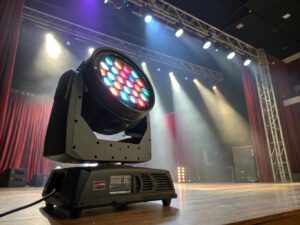
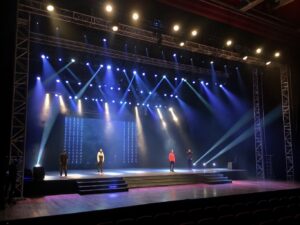
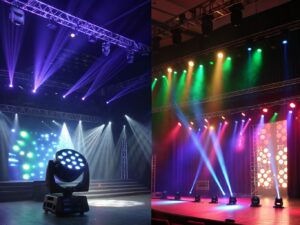
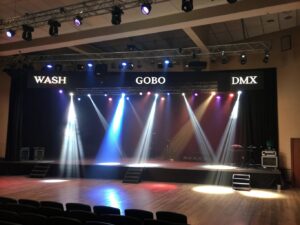
Stage lighting primarily uses three categories of lights based on their job. Wash lights provide broad color coverage, Spot or Profile lights create sharp focus and patterns, and Effect lights add dynamic movement and energy.
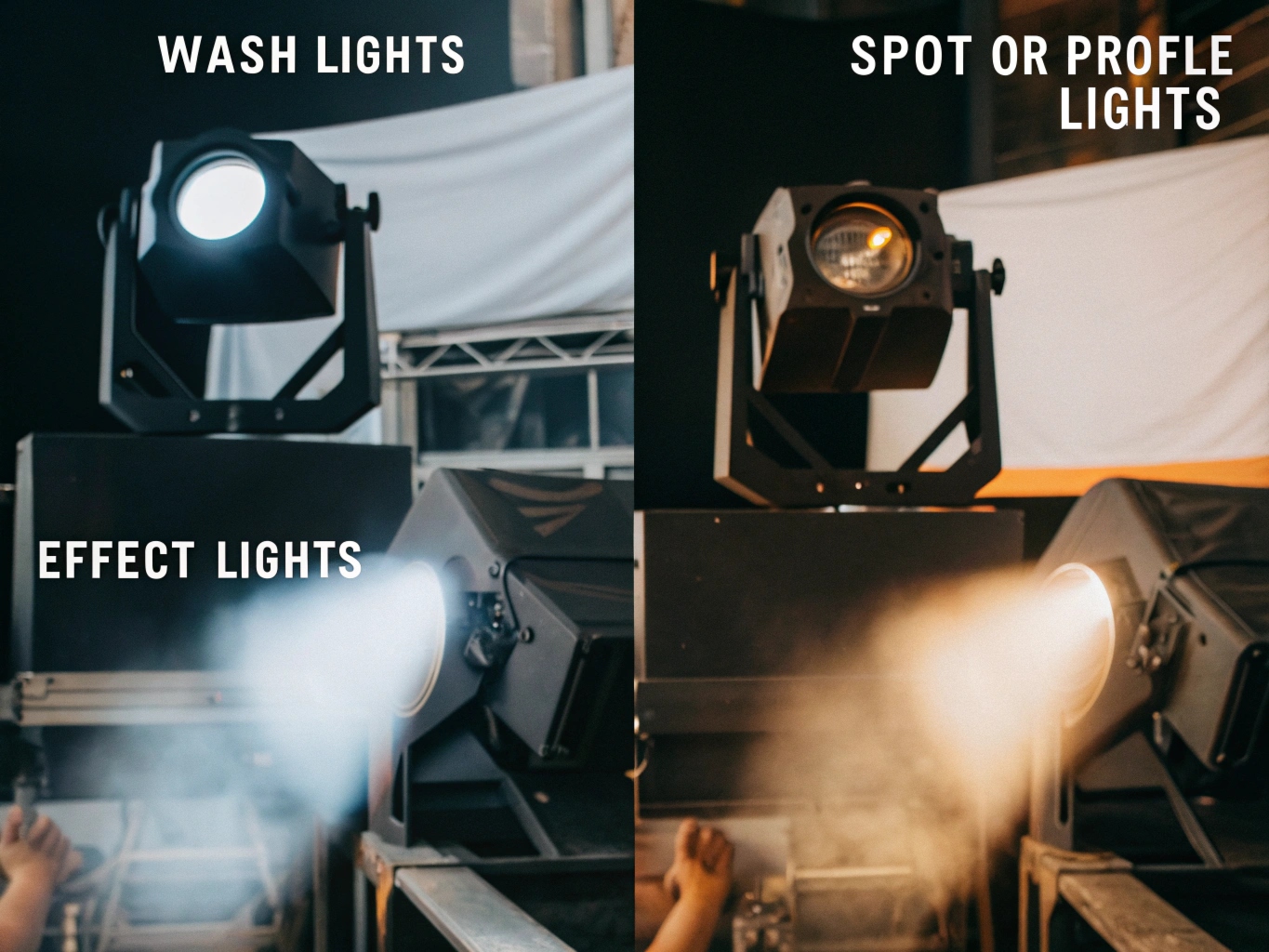
The easiest way to understand lighting is to stop thinking about model numbers and start thinking about jobs. What job does this light need to do? That's the first question I always ask. A skilled technician like Nick knows that you can't use a hammer to do a screwdriver's job. In lighting, it's the same. Some lights are built to paint a huge backdrop with a single color. Others are designed to place a perfect circle of light on a singer's face from 100 feet away. When we develop fixtures at Monalight, we design them to be exceptional at one of these core jobs. Building a great lighting plot2 is just a matter of picking the right tools for the tasks you need to accomplish for your show.
The Three Core Jobs of Stage Lights
| Light Category | Primary Job | Common Fixtures |
|---|---|---|
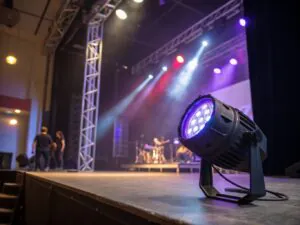
| Wash Lights | To "wash" a large area with color and provide general, soft-edged illumination. They create the foundational atmosphere. | LED PAR Cans, Fresnels, Cyclorama (Cyc) Lights, Moving Head Washes. |
| Spot/Profile Lights | To create a hard-edged, focused beam of light. Used to highlight a specific person or object, and to project patterns (gobos). | Profile Spots (Lekos), Followspots, Moving Head Spots/Profiles. |
| Effect Lights | To create dynamic, eye-catching looks. This includes moving beams, patterns, and high-energy visuals that add excitement. | Moving Heads (Beam, Spot, or Wash), Lasers, Strobes, Pixel-based fixtures. |
What makes good stage lighting?
You have plenty of bright lights rigged and ready. But when you turn them on, the stage looks flat, muddy, or distracting, failing to create any real atmosphere for the audience.
Good stage lighting isn't about having the most fixtures. It's about successfully achieving three goals: making the performers clearly visible, creating the right mood with color and shadow, and directing the audience's attention to the most important element.
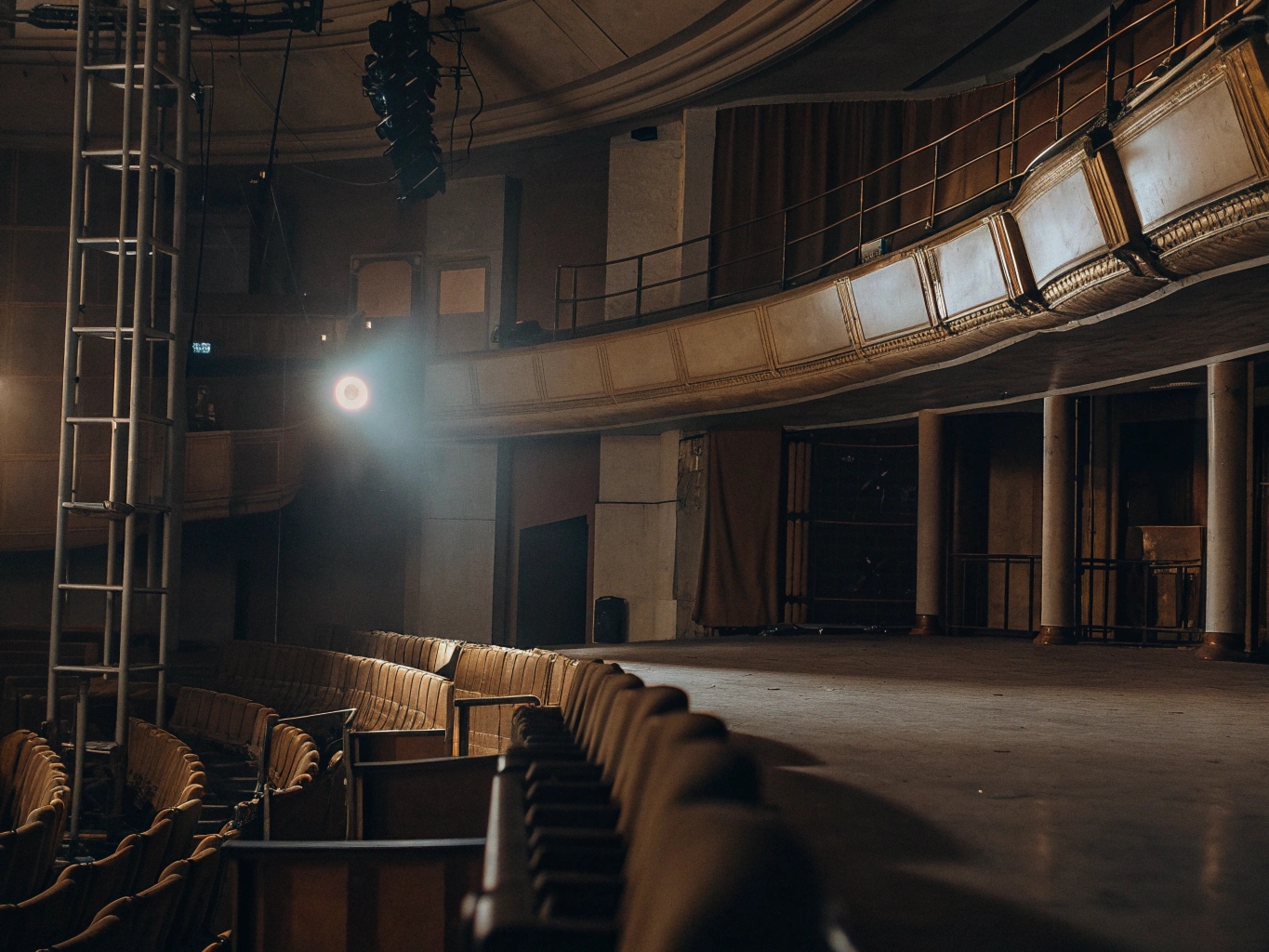
This is where we move from the science of hardware to the "art of light and shadow." Having the best tools is important, but a great lighting designer understands why they are using them. For me, good lighting supports the story of the performance. It should feel natural and intentional. The biggest mistake I see is when the lighting itself becomes a distraction. Does your lighting help the audience see the lead singer's expression? Does it make a scene feel tense and scary, or joyful and open? Does it tell you that the most important thing right now is the person standing center stage? If your lighting answers "yes" to these questions, then it is good lighting. It's about psychology just as much as it is about technology.
The Pillars of Effective Lighting Design
- Visibility: This is the most basic function. If the audience can't see the performers, nothing else matters. This requires carefully aimed front light.
- Mood (or Atmosphere): This is the emotional content. Color, texture, and the balance of light and shadow are your tools to make the audience feel something.
- Focus (or Composition): This is about storytelling. Your eyes are naturally drawn to the brightest part of an image. Use this to guide the audience's attention and tell them where to look.
What type of lighting is best for you?
You understand the difference between a spot and a wash. But you're still not sure what combination is right for a high-energy concert versus a quiet theatrical play3 or a professional conference.
The best lighting for you depends entirely on your performance type. A concert needs dynamic moving lights and effects. Theatre requires precise, controlled spots and subtle washes. A corporate event needs clean, bright, high-CRI white light.
This is where we put everything together. You take your understanding of the tools and the principles, and you apply them to your specific needs. The goal of a concert is to create energy and excitement. So, you'll lean heavily on moving lights and effects. The goal of a corporate product launch is to make the CEO and the new product look fantastic, so you will invest in high-quality white light and avoid distracting strobes. My "innovation is soul" philosophy means always finding new ways for light to serve the performance. It's not about using a moving head just because it's cool; it's about using its movement to add energy to a guitar solo, or its precise ERS framing to perfectly highlight a new car on stage.
Matching Lighting to Your Performance
| Performance Type | Primary Goal | Key Fixtures |
|---|---|---|
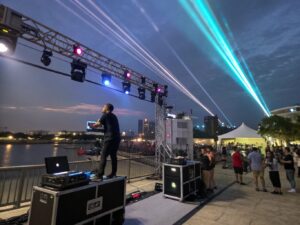
| Concert / Music Festival | Create high energy, excitement, and big visual moments. | Moving Heads (Beam/Spot/Wash), Strobes, Lasers, LED Video Walls. |
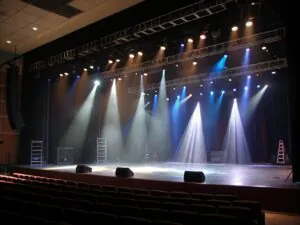
| Theatre / Drama | Control mood precisely, direct focus, create a sense of place. | Profile Spots (for focus), Fresnels (for soft washes), Cyc Lights. |
| Corporate / Conference | Ensure speakers are perfectly visible and look great on camera. | High-CRI Profile Spots and soft Wash Lights with clean, white light. |
| Wedding / Private Event | Create a warm, elegant, and celebratory atmosphere. | LED Uplighters, Gobo Projectors (for monograms), Moving Head Washes. |
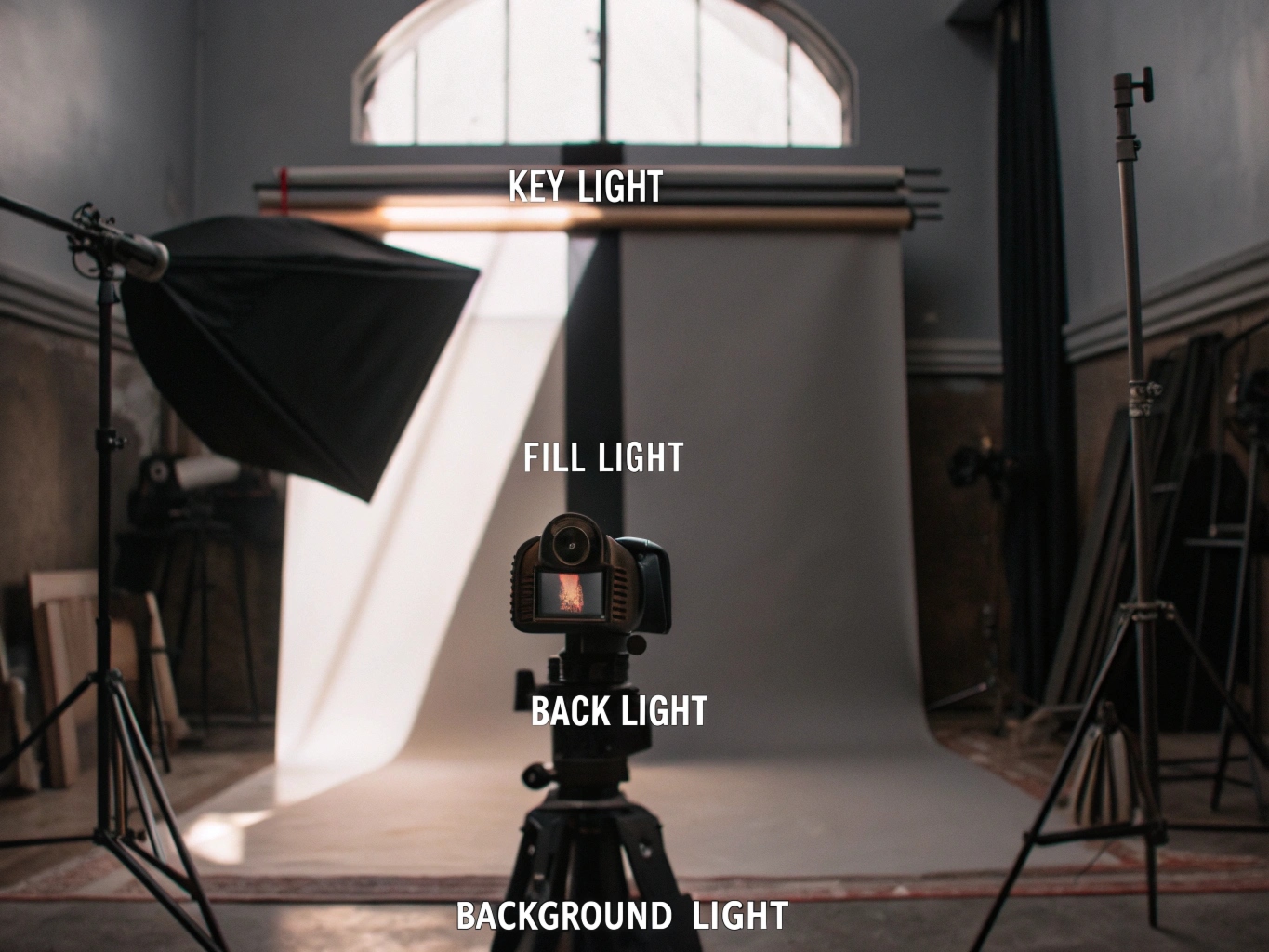
This is a technique that separates the amateurs from the pros, and it’s something every great lighting technician I’ve ever worked with has mastered. It’s a core part of the "exquisite craftsmanship" we value at Monalight. Just hitting someone with a single light from the front makes them visible, but it also makes them look flat. To create a three-dimensional, professional look—especially for camera—you need to sculpt with light. You use a main light (Key), a softer light to fill in harsh shadows (Fill), and most importantly, a light from behind (Back Light4) to create a glowing edge around the person's head and shoulders. This little trick instantly makes them "pop" off the background. The fourth light is simply to light the set behind them, adding even more depth.
| Lighting Function | Purpose |
|---|---|
| Key Light | The main, brightest source of light on the subject. Establishes the primary look. |
| Fill Light | A softer, less intense light used to "fill in" the dark shadows created by the key light. |
| Back Light | Placed behind the subject, this light creates a bright edge or rim, visually separating them from the background. |
| Background Light | Illuminates the set, scenery, or backdrop behind the subject to create depth and context. |
Conclusion
The best lighting is a thoughtful system. By understanding your tools, applying design principles, and matching them to your performance, you can create a truly memorable and professional show.
-
Discover how effect lights add dynamic movement and excitement to stage performances. ↩
-
Learn about the importance of a lighting plot in organizing and executing lighting designs. ↩
-
Discover the lighting strategies that control mood and focus in theatrical performances. ↩
-
Discover how Back Light creates depth and separates subjects from the background. ↩

You may also be interested in: